
Medical Microneedling in Glasgow: Benefits, Recovery and What to Expect
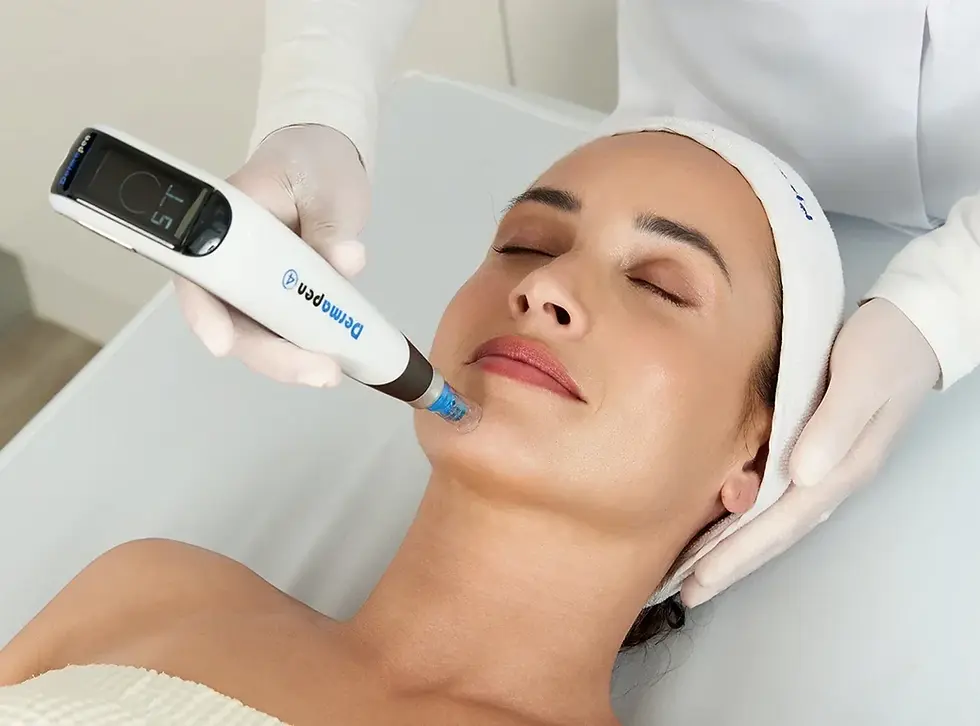
Medical microneedling uses fine, sterile needles to create controlled micro-injuries in the skin, triggering the body's own collagen and elastin production.
In Glasgow, clinics such as Epidermfx offer it as a minimally invasive option for improving skin texture, reducing fine lines, and fading scarring: typically with one to three days of visible downtime. Book a derma pen medical microneedling treatment to get started.
What Is Medical Microneedling?
Medical microneedling is a skin treatment where a device passes fine needles across the skin's surface, creating thousands of microscopic punctures.
These micro-injuries prompt the skin's natural wound-healing response, which includes new collagen and elastin production. The result, over a course of sessions, is firmer, more even-textured skin.
It differs from at-home dermarollers and microneedling devices mainly in needle depth and hygiene standards: clinic treatments use calibrated, single-use needle cartridges and can safely work deeper into the skin, which is why results tend to be more pronounced.
Key Benefits of Microneedling in Glasgow
Improved skin texture and tone — smoother surface, more even pigmentation over time
Reduced fine lines and wrinkles — driven by increased collagen production
Fading of acne scars and stretch marks — collagen remodelling softens scar tissue
Better absorption of skincare products — temporary micro-channels let serums penetrate more effectively
Minimal downtime — most people return to normal activities within a day or two
Glasgow's clinics combine this treatment with professional-grade equipment and aftercare guidance, which matters for both safety and results: microneedling performed with poorly maintained equipment or insufficient training carries higher risk of infection or irritation.
Is Microneedling Safe After 40?
Yes. Microneedling is commonly used by people in their 40s, 50s and beyond, and there's no upper age limit for the treatment itself.
Collagen production naturally slows with age, and microneedling directly targets that decline by stimulating new collagen synthesis: making it a relevant option for age-related skin changes such as sagging or deeper lines, not just for younger skin concerns like acne scarring.
A practitioner will typically assess skin thickness and any underlying conditions before treatment, regardless of age, to set an appropriate needle depth.
How to Prepare for a Microneedling Session
Choose a clinic carefully — check practitioner training, hygiene standards, and use of single-use needle cartridges, then book your derma pen microneedling session once you're ready
Avoid sun exposure and active ingredients (retinoids, strong acids) for several days beforehand, following your clinic's specific pre-care advice
Keep skin hydrated and protected after treatment — avoid makeup and harsh products for the first few days
Plan for a course of sessions — most people see cumulative results over several treatments spaced weeks apart, rather than from a single session
Ask about combination treatments — some clinics pair microneedling with additional therapies for enhanced results, where clinically appropriate
Why Choose a Glasgow Clinic
Glasgow has a concentration of established skincare clinics offering medically-supervised treatments, giving people access to trained practitioners without needing to travel further afield.
Epidermfx, based at 21 Main Street, Bothwell, near Glasgow, is one such clinic, focused on evidence-based skincare and personalised treatment plans for people across Glasgow and the surrounding areas.
How many sessions will I need?
For general skin texture, fine lines and overall rejuvenation, most people see visible improvement after a course of 3 to 4 sessions spaced 4–6 weeks apart, with results building progressively as new collagen forms.
A single session can be useful for testing the treatment or ahead of an event, but a course is where the real change happens.
If acne scarring is your main concern rather than general texture or ageing, treatment planning looks a little different — our full guide to microneedling for acne scars covers scar types and session recommendations in more depth.
How much does microneedling cost?
Single session: £185
4-session course: £650 (saving £90 versus paying per session)
6-session course: £950 (saving £160 versus paying per session)
Pricing is the same regardless of what you're treating: what changes is which course length suits your goal.
For general texture and fine lines, the 4-session course is usually enough; for acne scarring specifically, the 6-session course tends to give better results, since scar remodelling responds best to sustained treatment.
The same microneedling technology is also used on the scalp to support hair loss treatment — see our guide to microneedling for hair loss if that's a concern alongside your skin.
Frequently Asked Questions
How much does medical microneedling cost in Glasgow?
Prices vary by clinic and treatment area, and typically depend on needle depth, add-ons, and whether it's a single session or a course. Contact your chosen clinic directly for current pricing.
How many sessions of microneedling do I need to see results?
Most people need a course of three to six sessions, spaced around four to six weeks apart, to see full results, though some improvement in skin texture is often visible after the first session.
Does microneedling hurt?
Clinics typically apply a topical numbing cream beforehand, so most people describe the sensation as mild pressure or scratching rather than pain.
How long is recovery after microneedling?
Redness and mild sensitivity usually resolve within one to three days, similar to mild sunburn. Full collagen remodelling continues beneath the surface for several weeks after that.
Can microneedling be combined with other treatments?
Yes, in some cases: a practitioner can advise whether combining microneedling with other treatments is appropriate for your skin and goals.
This article is for general information and does not constitute medical advice. Individual results vary; consult a qualified practitioner to discuss whether microneedling is suitable for you.